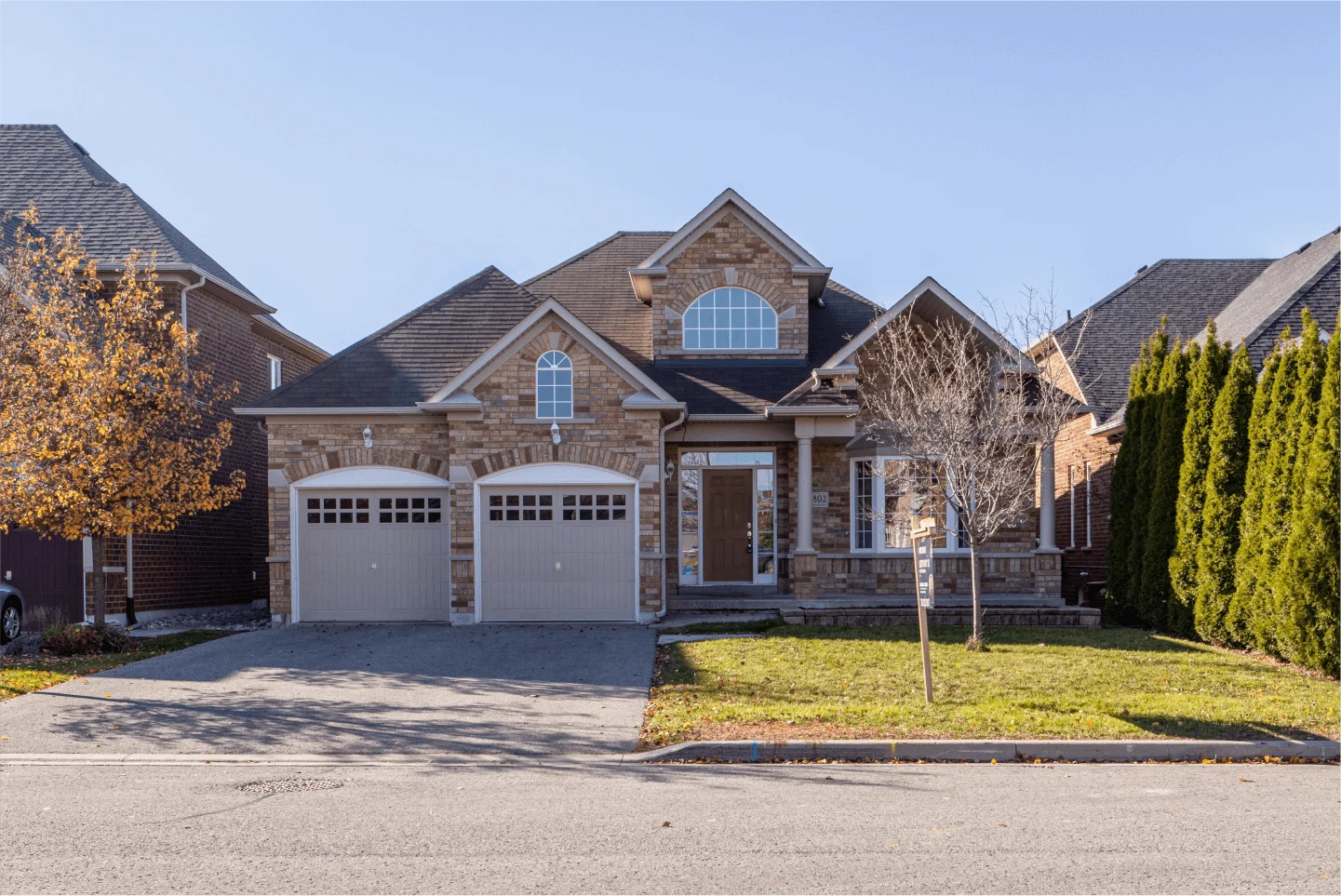
Homeownership is a dream that many people share, but it often feels out of reach, especially when the common belief is that you need a hefty 20% down payment to buy a house. This misconception can be a significant barrier that keeps prospective homeowners at bay. The good news is that there are many paths to homeownership, and you don’t necessarily have to save up for that 20% down payment to make your dream a reality.
Let’s explore the various options available to you and how you can start your journey toward owning a home.
First, it’s essential to understand the reasons behind the 20% down payment myth. Traditionally, putting down 20% has been seen as a way to avoid private mortgage insurance (PMI), which protects lenders in case the borrower defaults. While it’s true that a higher down payment can reduce monthly payments and eliminate PMI, it’s not the only route to take. Many programs are designed to help first-time homebuyers and those with limited savings to enter the housing market without needing a 20% down payment.
One popular option is the FHA loan, which is backed by the Federal Housing Administration. With an FHA loan, you can secure financing with as little as 3.5% down. This can make a significant difference for many buyers who may feel overwhelmed by the thought of saving for a large down payment. FHA loans also offer competitive interest rates and are available to a wide range of consumers, making them an attractive choice for many.
Another avenue worth exploring is conventional loans. Some conventional mortgage programs allow for down payments as low as 3%. These loans have specific requirements, often related to credit scores and debt-to-income ratios, but they can be a viable option for many buyers. If you meet these criteria, you can get into a home without breaking the bank on your down payment.
Additionally, there are programs specifically designed for first-time homebuyers or those who meet certain income limits. Many states and local governments offer assistance programs that can help with down payments and closing costs. These programs vary widely in terms of eligibility and funding, so it’s essential to research the options available in your area. Your mortgage loan officer can provide valuable insights into the programs that may suit your needs.
Another important aspect of homeownership is understanding that the total upfront costs go beyond just the down payment. Closing costs can add a few thousand dollars to your initial expenses. These costs can include fees for appraisal, title insurance, and other services necessary to finalize your mortgage. It’s wise to budget for these additional expenses when considering homeownership.
Now, let’s talk about the benefits of low down payment options. With a smaller down payment, you may be able to secure a home sooner rather than later. Instead of waiting years to save up that 20%, you could move into your new home in a matter of months. This means you can start building equity, enjoying the stability that comes with homeownership, and making your space your own much sooner.
Another benefit of lower down payments is that they can free up your cash for other important expenses. You can use your savings for home improvements, furnishings, or even an emergency fund. Having financial flexibility can reduce stress and allow you to invest in making your house a home.
As you consider your options, keep in mind that many lenders are more than willing to work with you, regardless of your current financial situation. Engaging with a knowledgeable mortgage loan officer can help you navigate the complexities of the home buying process. They will assist you in understanding your options, explaining different loan types, and helping you find the best fit based on your unique circumstances.
It’s also worthwhile to take a good look at your credit score. A higher credit score can open doors for better loan terms and rates, which can ultimately save you money. If your credit score isn’t where you’d like it to be, don’t be discouraged. There are steps you can take to improve your score, such as paying down debts, making payments on time, and checking your credit report for errors.
Another important factor is budgeting. Take the time to create a realistic budget that includes not just your anticipated mortgage payment but also property taxes, homeowner's insurance, and maintenance costs. Understanding what you can afford will help you feel more confident in your home search.
Finding the right home is also crucial. Make a list of must-haves and nice-to-haves. This will help you focus your search and avoid becoming overwhelmed by options. Remember, the perfect home doesn’t always exist, so be prepared to compromise on certain aspects while still prioritizing what matters most to you.
As you embark on your journey, remember that you’re not alone. Many people have successfully navigated the home buying process without a 20% down payment. With the right guidance and support, you can discover the path to homeownership that works for you.
If you’re ready to explore your options and learn more about how you can achieve your dream of owning a home, reach out to us today. Our team of experienced mortgage loan officers is here to answer your questions, discuss your specific needs, and help you take that exciting step toward homeownership. Let’s start this journey together!
